 +1 (216) 400-5753
 dispatch@mnatransport.com
 521 Valcour Rd, Catonsville, MD 21228, US

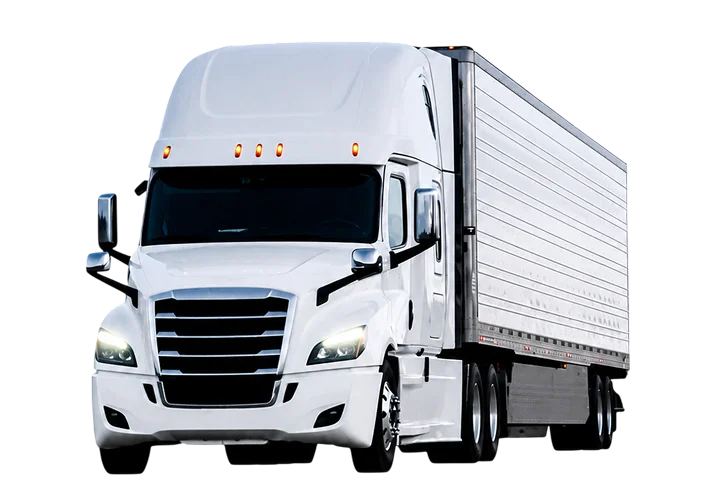
Dry Van Dispatch Services for Load Quality and Operational Stability
Dry van freight dominates U.S. trucking with consistent demand across retail and manufacturing sectors, but profitability depends on how operations are managed. A structured dispatch system aligns load selection, rate negotiation, compliance, and route planning into one workflow, improving revenue per mile, reducing deadhead, and maintaining steady cash flow.
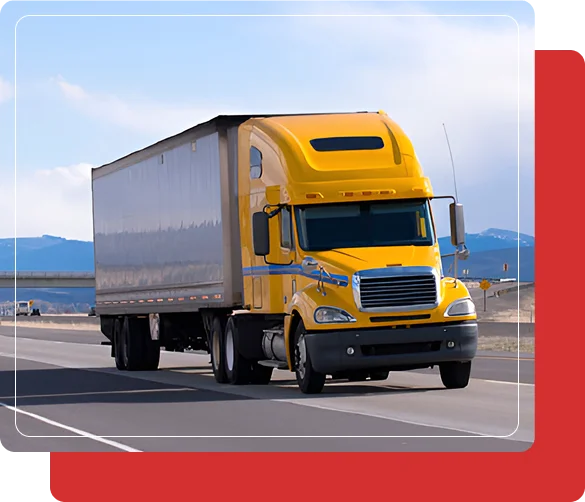
What Is Dry Van Dispatch in Real Operations?
Dry van dispatch is a logistics coordination system that manages the complete lifecycle of a freight movement, from load discovery to final payment processing.
It is not limited to booking loads. It includes:
- Freight sourcing across load boards and broker networks
- Lane-based rate evaluation
- Broker negotiation and confirmation
- Pickup and delivery coordination
- Documentation and compliance tracking
- Payment and invoicing follow-up
A standard execution flow includes
- Load Discovery
- Evaluation
- Negotiation
- Booking
- Execution
- Documentation
- Payment
Flatbed dispatch is not transactional booking. It is freight-specific operational planning.
Weekly Profit Plan for
Owner-Operator
We are giving you a free customize profit plan for your fleet
Get Weekly Plan
Why Dry Van Operations Fail Without
Structured Dispatch
Dry van trucking is highly competitive. Freight is available, but profitable freight is limited.
Without a structured dispatch system, carriers typically face:

Operational Gaps
Unplanned load cycles causing idle time Lack of reload planning after delivery Poor lane selection leading to weak markets

Revenue Loss Factors
Accepting posted rates without negotiation High deadhead miles reducing RPM No rate benchmarking against market trends
Administrative Overload
Manage carrier packets and BOLs Handle invoicing and broker follow-ups Track FMCSA compliance requirements

Market Position Weakness
No long-term broker relationships Limited access to higher-paying freight Low priority in competitive load environments
How Dry Van Dispatch Directly Impacts
Profit Per Mile (RPM)
Profitability in trucking is measured through:
Revenue ÷ Total Miles (Loaded + Empty)
A dispatch system influences every component of this equation.

Deadhead Reduction
Empty miles reduce effective RPM instantly. A dispatcher minimizes deadhead by:
- Pre-booking reloads
- Selecting loads near delivery zones
- Avoiding weak freight regions

Lane Optimization
Not all lanes perform equally. Dispatch systems analyze:
- High-demand freight corridors
- Broker activity levels
- Rate density per lane
This allows shifting from low-paying lanes (~$1.80/mile) to optimized lanes ($2.50–$3.00+/mile).

Rate Positioning
Freight rates are influenced by:
- Load urgency
- Market demand
- Seasonal shifts
- Broker flexibility
Dispatchers use these variables to negotiate beyond posted rates.
Core Components of a Dry Van
Dispatch System
A high-performance dispatch operation is built on interconnected modules.


Dry Van Dispatching Fee Chart
| Truck Type | Rate Per Mile | Weekly Gross | Dispatch Fee |
|---|---|---|---|
| Dry Van | $2.30 - $3.50 | $7,000 - $10,000 | 6% - 4% |
How Load Boards Actually Work in Dry Van Dispatch
Process Flow:
Load boards work as real-time freight marketplaces where brokers post available loads with key details such as rate, pickup and delivery location, weight, and commodity type. Carriers and dispatchers review these listings, compare available options, and compete to secure the most suitable freight. The dispatcher then contacts brokers, negotiates better rates and terms, and confirms the booking to keep the truck moving with profitable loads.
Key Insight:
Load boards provide access to freight, not profitability.
- Selection timing
- Negotiation strength
- Market awareness
Reactive booking leads to low rates. Strategic booking increases RPM.
Types of Freight Handled in Dry Van Dispatch
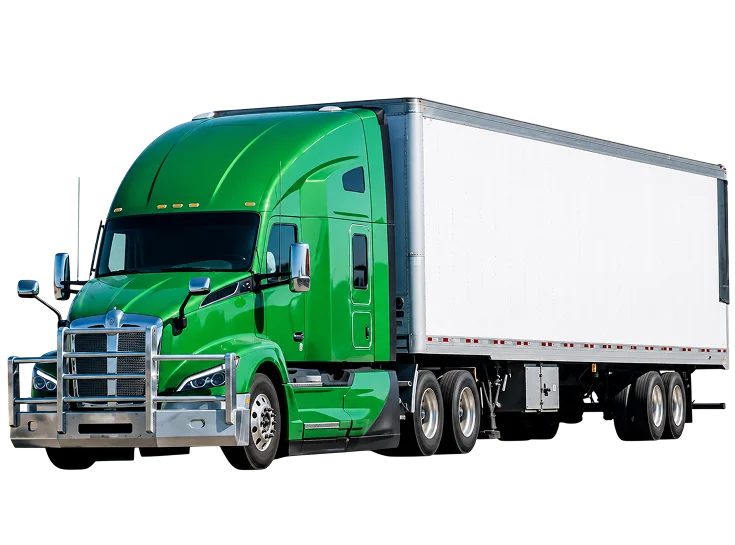
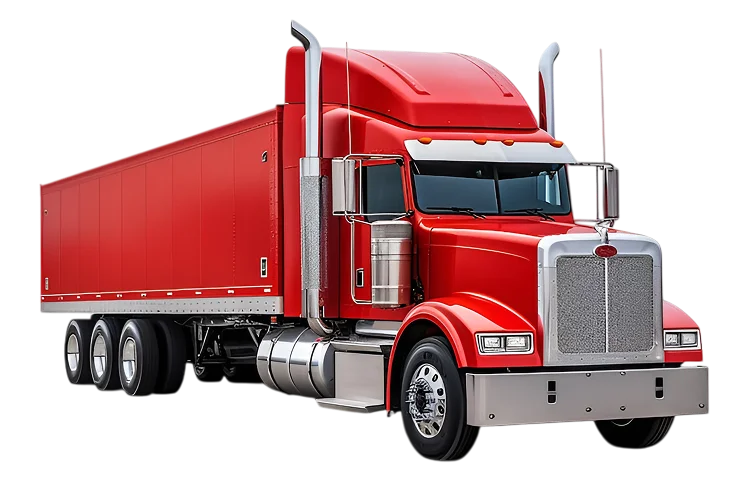
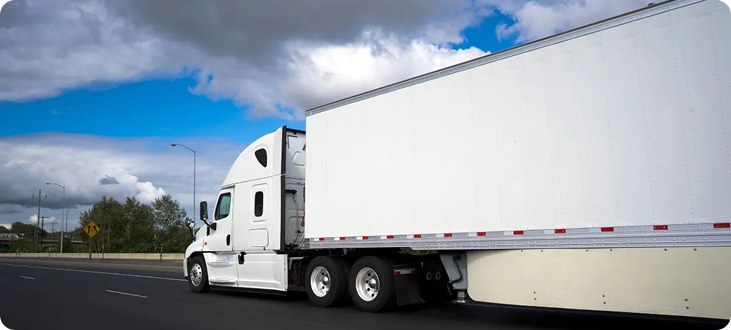
Dry vans transport non-temperature-controlled cargo across multiple industries. Common Freight Categories


Who Benefits from Dry Van
Dispatch Services?

Owner-Operators
Maintain independence
Eliminate load-search fatigue
Improve RPM through structured planning

Small Fleets
Coordinate multiple trucks efficiently
Reduce idle time
Standardize dispatch workflow

New MC Authorities
Overcome broker trust barriers
Build early freight consistency
Establish operational credibility
Get a Load in 30-Minutes
Maximize your revenue per mile with strategically selected loads, not random bookings. MNA Transport focuses on high-rate freight, smart lane planning, and strong broker negotiation to secure loads that actually increase your weekly earnings. From rate confirmation to paperwork, everything is handled for you—so you haul smarter, not harder.
Get a load
How Dispatchers Evaluate
and Select Loads
Load selection follows a structured decision model.
Evaluation Parameters

Lane Strength
- Demand vs truck supply
- Historical rate performance

RPM Threshold
- Minimum acceptable rate per mile
- Cost-per-mile alignment

Broker Reliability
- Payment timelines
- Reputation and credit score

Operational Fit
- Pickup timing
- Delivery feasibility
- Equipment compatibility
Loads are filtered — not accepted blindly.
Factors That Influence Dry Van
Freight Rates
Freight pricing is dynamic and influenced by multiple variables.
Market Drivers
Seasonality
- Retail peaks (Q4) increase rates
- Slow seasons reduce demand
Fuel Prices
- Direct impact on freight rates
- Fuel surcharges adjustments
Supply vs Demand
- More trucks → lower rates
- More freight → higher rates
Lane Imbalance
- High-demand lanes → premium rates
- Oversaturated lanes → reduced pricing
A dispatcher continuously monitors these variables to avoid low-value freight.
Dispatch Workflow Overview
1
Carrier
Onboarding
Carrier profile is activated after verifying MC authority, insurance, and required documents.
2
Load
Filtering
Loads are shortlisted based on RPM, distance, delivery timing, and profitability potential.
3
Market
Analysis
Lanes and rates are evaluated using current market demand and freight availability trends.
4
Rate
Negotiation
Dispatchers communicate with brokers to improve rates and confirm all accessorial charges.
5
Dispatch
Execution
Load is assigned with full coordination of pickup, delivery, and real-time tracking updates.
6
Documentation & Payment
Proof of delivery is verified, invoices are submitted, and payments are tracked for consistency.
Dry Van Dispatch vs Self-Dispatch
(Operational Comparison)
| Factor | Structured Dispatch | Self-Dispatch |
|---|---|---|
| Time Efficiency | High | Low |
| RPM Consistency | Stable | Fluctuating |
| Broker Access | Strong | Limited |
| Deadhead Control | Optimized | Uncontrolled |
| Administrative Load | Managed | Manual |
Self-dispatch divides focus between driving and logistics.
Structured dispatch separates execution from strategy.
Key Indicators of a High-Performance
Dispatch Service
No forced dispatch
(driver retains control)
Transparent rate
communication
Lane-based planning
strategy
Consistent broker
interaction
Reduced deadhead
miles
Clear documentation
workflow
Affordable but Effecient Truck Dispatching Solution


When a Dispatch System Fails
Poor dispatch creates more damage than no dispatch.
Frequent low-paying loads
No explanation of load selection
Weak communication
High empty miles
Inconsistent weekly revenue
A dispatch system must be data-driven, not activity-driven.
Conclusion
Dry van dispatch is not a basic support function — it is a revenue control system.
It determines:
- Which loads you haul
- How much you earn per mile
- How consistently your truck operates
A structured dispatch system transforms operations from reactive to strategic.
When load selection, rate negotiation, and route planning align, carriers gain predictable revenue, reduced stress, and long-term operational stability.
Frequently Asked Questions
What does a truck dispatching service include?
It includes load booking, rate negotiation, route planning, and broker coordination for carriers.
How does MNA Transport increase revenue per mile (RPM)?
Lorem Ipsum is simply dummy text of the printing and typesetting industry. Lorem Ipsum has been the industry's standard dummy text ever since the 1500s, when an unknown printer took a galley of type and scrambled it to make a type specimen book.
Do I need dispatch services if I already use load boards?
Lorem Ipsum is simply dummy text of the printing and typesetting industry. Lorem Ipsum has been the industry's standard dummy text ever since the 1500s, when an unknown printer took a galley of type and scrambled it to make a type specimen book.
How does factoring help trucking businesses?
Lorem Ipsum is simply dummy text of the printing and typesetting industry. Lorem Ipsum has been the industry's standard dummy text ever since the 1500s, when an unknown printer took a galley of type and scrambled it to make a type specimen book.
What is included in DOT compliance services?
Lorem Ipsum is simply dummy text of the printing and typesetting industry. Lorem Ipsum has been the industry's standard dummy text ever since the 1500s, when an unknown printer took a galley of type and scrambled it to make a type specimen book.
Can new trucking businesses use MNA Transport services?
Lorem Ipsum is simply dummy text of the printing and typesetting industry. Lorem Ipsum has been the industry's standard dummy text ever since the 1500s, when an unknown printer took a galley of type and scrambled it to make a type specimen book.