 +1 (216) 400-5753
 dispatch@mnatransport.com
 521 Valcour Rd, Catonsville, MD 21228, US

Dedicated Truck Dispatching Services for Owner-Operators & Small Fleets in the USA
Dedicated truck dispatching assigns a single dispatcher to manage your entire freight operation, including load sourcing, rate negotiation, paperwork, and broker coordination. The objective is clear: increase revenue per mile (RPM), maintain consistent freight flow, and reduce empty miles.
Dispatchers operate through platforms like DAT Solutions and Truckstop.com while aligning every load with compliance standards set by the Federal Motor Carrier Safety Administration. Instead of chasing loads manually, carriers operate through a structured dispatch system built for profitability and control.
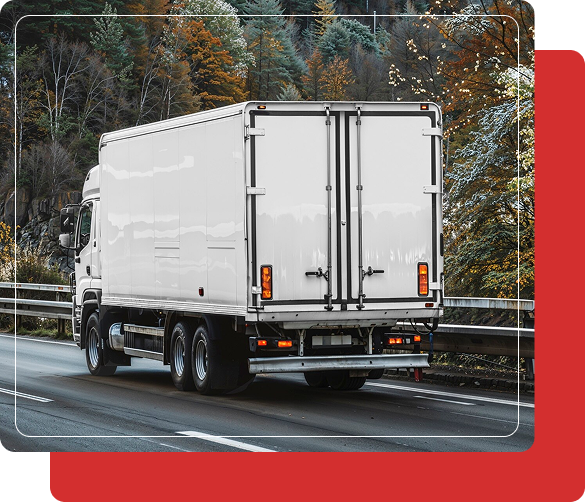
What Dedicated Dispatching Actually Controls
A dedicated dispatcher functions as a central operational controller, not just a load booker.
They manage:
- Freight selection based on profitability
- Continuous communication with brokers and shippers
- Real-time load coordination and updates
- Scheduling aligned with driver availability
- Administrative handling of documents and payments
This model removes fragmented decision-making and replaces it with a single accountable system managing your truck’s movement and revenue generation.
Weekly Profit Plan for
Owner-Operator
We are giving you a free customize profit plan for your fleet
Get Weekly Plan
How Dedicated Dispatchers
Run Daily Operations
Dispatch operations follow a structured execution cycle
that repeats for every load.
Carrier Setup
Your MC authority, insurance, lane preferences, and equipment type are configured into a dispatch profile.
Load Search & Filtering
Available freight is analyzed based on:
- Rate per mile
- Pickup and delivery feasibility
- Distance vs payout
- Broker credibility
Negotiation & Booking
Dispatchers contact brokers, negotiate rates, and secure confirmations.
Execution Coordination
Pickup timing, route alignment, and delivery scheduling are managed in real time.
Documentation Handling
All paperwork is processed:
- Rate Confirmation
- Bill of Lading (BOL)
- Proof of Delivery (POD)
Payment Processing
Invoices are submitted and coordinated with factoring companies for faster cash flow.
Load Selection Is Based on Profit
but Not Availability
Dispatching is not about picking any available load. It is about
selecting the right load at the right time.
A profitable load must meet multiple conditions:
- Competitive RPM relative to lane average
- Minimal deadhead distance
- Reliable broker payment history
Load sources include:
- Digital load boards
- Direct broker relationships
- 3PL freight networks
Market timing also affects outcomes. Early booking secures stability, while strategic
late booking can increase rates in high-demand corridors.
Dispatchers balance both approaches based on
market conditions and lane behavior.
Revenue Is Controlled at the Negotiation Stage
Freight rates are not fixed. Revenue depends on how well the dispatcher negotiates.
A strong negotiation process includes:
- Benchmarking rates against market trends
- Identifying underpriced loads
- Including accessorial charges such as detention, layover, and TONU
- Adjusting rates based on fuel costs and urgency
| Revenue Factor | Result |
|---|---|
| Strong negotiation | Higher RPM |
| Accessorial recovery | Additional earnings |
| Market awareness | Better load selection |
Even small rate improvements across multiple loads produce significant weekly revenue increases.
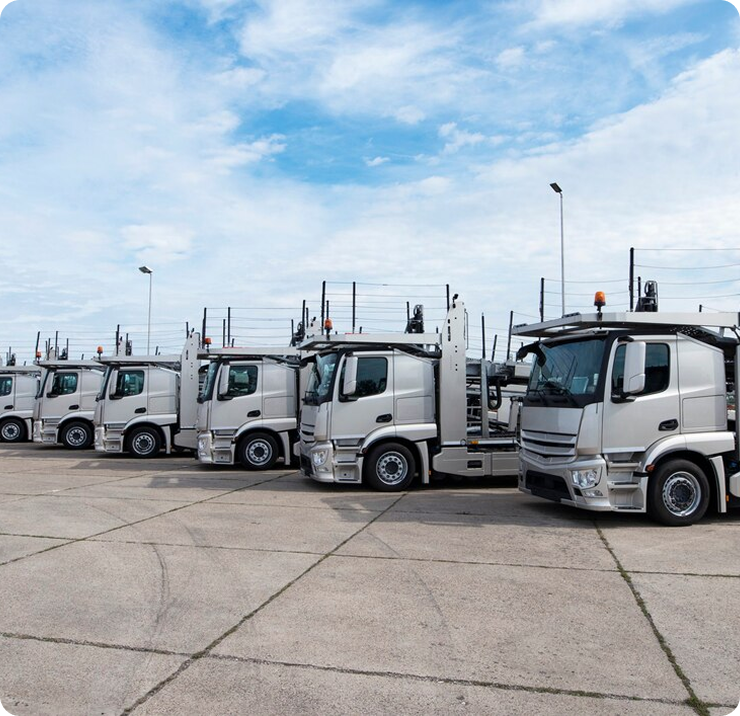
Dispatch Workflow From Load to Payment
The dispatch cycle is not complete when a load is booked. It continues until payment is secured.
Load Confirmed → Driver Assigned → Pickup Executed → Delivery Completed → Documents Submitted → Payment Processed
Each stage involves coordination:
- Dispatch instructions sent to driver
- Real-time tracking and updates
- Delivery confirmation with POD
- Invoice generation and submission
- Factoring or QuickPay processing
This closed-loop system ensures no revenue leakage and faster cash cycles.
Get a Load in 30-Minutes
Maximize your revenue per mile with strategically selected loads, not random bookings. MNA Transport focuses on high-rate freight, smart lane planning, and strong broker negotiation to secure loads that actually increase your weekly earnings. From rate confirmation to paperwork, everything is handled for you—so you haul smarter, not harder.
Get a load
Compliance Is Integrated Into
Every Dispatch Decision
Dispatching must align with regulatory requirements at all stages.

Operations follow standards defined by:
Federal Motor Carrier Safety Administration
Department of Transportatio
Compliance control includes:
Hours of Service (HOS) adherence
Valid insurance verification
Accurate carrier packet management
Documentation consistency across shipments
Ignoring compliance results in delays, penalties, or operational shutdowns.
Dedicated dispatch integrates these checks into daily workflows
instead of treating them as separate tasks.
Performance Is Measured Through
Operational Metrics
Dedicated dispatch focuses on measurable outcomes
rather than assumptions.
| Metric | What It Shows | Why It Matters |
|---|---|---|
| RPM (Revenue per Mile) | Earnings efficiency | Profit tracking |
| Deadhead % | Empty miles | Cost reduction |
| Weekly Gross Revenue | Total income | Growth visibility |
| Load-to-Truck Ratio | Load availability | Consistency |
Tracking these metrics allows dispatchers to adjust strategies
and maintain stable weekly performance.
Deadhead Reduction Requires Structured Lane Planning
Empty miles directly reduce profit. Dispatch systems reduce deadhead through planning, not luck.
Key strategies:
- Pre-booking return loads before delivery
- Operating within consistent freight corridors
- Avoiding low-demand regions
- Building repeatable lanes
Instead of random routing, dispatchers create predictable movement patterns that maximize loaded miles.
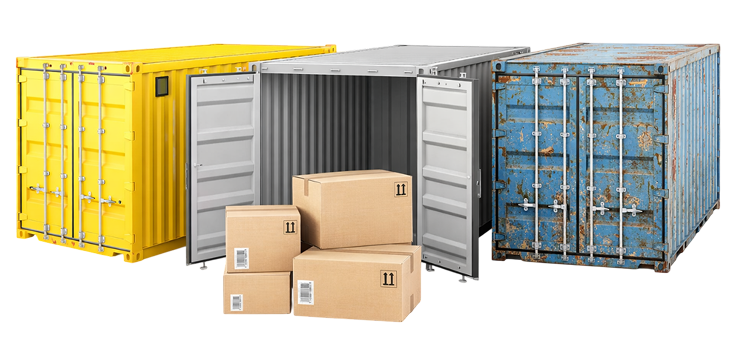
Risk Management in Dispatch Operations
Freight operations involve financial and operational risks. Dedicated
dispatch reduces exposure through structured controls.

Broker Risk Control
- Credit score verification
- Payment history checks
- Double brokering detection

Operational Risk Handling
- Delay mitigation
- Appointment scheduling accuracy
- Route adjustment during disruptions
Financial Protection
- Preventing unpaid loads
- Resolving rate disputes
- Ensuring documentation accuracy
Dispatching Varies by
Equipment Type
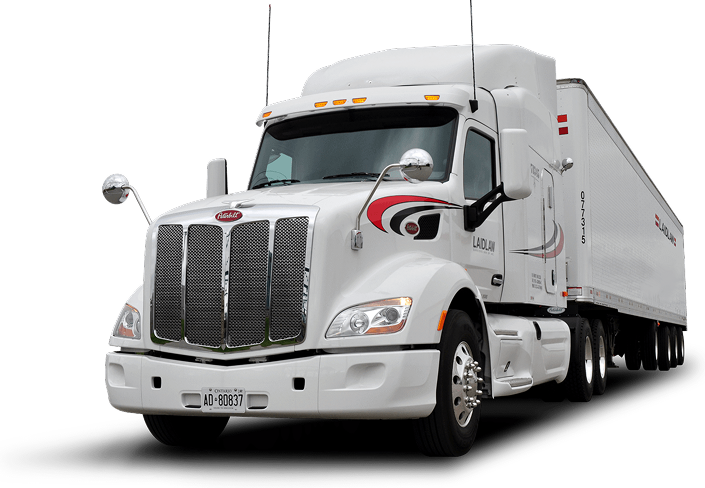
Each truck type requires a different dispatch strategy
due to freight characteristics.


Affordable but Effecient Truck Dispatching Solution


Who Benefits From Dedicated
Dispatching
Different carrier types require structured
dispatch for different reasons.
Owner-Operators
Maintain consistent income without managing back-office tasks.
Small Fleets
Coordinate multiple trucks with centralized planning.
New Authorities
Gain access to freight and broker networks early.

Growing Carriers
Scale operations while maintaining efficiency and control.
Dedicated Dispatch vs Traditional Dispatch
| Feature | Dedicated Dispatch | Traditional Dispatch |
|---|---|---|
| Dispatcher Assignment | One per carrier | Shared |
| Load Planning | Structured | Reactive |
| Revenue Control | High | Limited |
| Communication | Direct | Fragmented |
| Consistency | Stable | Unpredictable |
Dedicated dispatch creates predictable performance, while traditional models rely on availability.
Dedicated Dispatch vs Self-Dispatching
Self-dispatching requires time, market knowledge, and negotiation skill.
| Factor | Dedicated Dispatch | Self Dispatch |
|---|---|---|
| Time Usage | Minimal | High |
| Load Access | Extensive | Limited |
| Negotiation | Professional | Basic |
| Stress Level | Controlled | High |
Delegating dispatch allows drivers to focus on driving while experts manage revenue generation.
Transparent Pricing Structure
Dedicated dispatch services operate on simple pricing models:

Percentage per load

Flat weekly rates

No forced dispatch

No hidden charges
Payment aligns with performance, ensuring carriers
only pay for active dispatch support.
Get Started With Dedicated Truck Dispatching
Starting requires minimal steps:
- Submit carrier details (MC authority, insurance, W9)
- Define lane and load preferences
- Get assigned a dedicated dispatcher
- Begin receiving and hauling loads
Start Dispatching With a Dedicated System
Operate with a dispatcher who manages your freight, negotiation, paperwork, and coordination.
Increase consistency. Reduce empty miles. Improve revenue performance.