 +1 (216) 400-5753
 dispatch@mnatransport.com
 521 Valcour Rd, Catonsville, MD 21228, US

Power Dispatch Services Designed for Trailer-Free Profitability
Power-only trucking works when dispatch is structured around movement efficiency, trailer availability, and revenue control. Most carriers stay busy but fail to scale because their dispatch lacks lane planning and rate strategy.
Our approach focuses on turning every mile into calculated revenue, not random load movement.
What Is Power Dispatch?
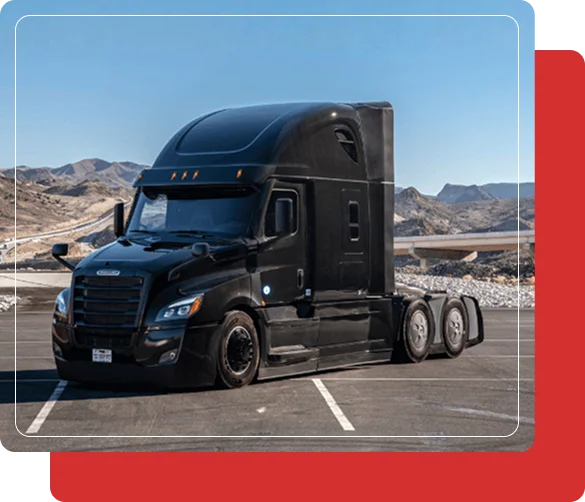
Power dispatch refers to coordinating freight for tractor units pulling third-party trailers. The carrier does not own the trailer, which removes asset burden but increases reliance on dispatch intelligence and timing.
Instead of managing equipment, the focus shifts to execution—picking preloaded trailers, moving them across lanes, and dropping them at designated locations. This creates a flexible operating model, but only when dispatch aligns loads with demand and minimizes downtime.
In simple terms, power dispatch handles:
- trailer sourcing
- load coordination
- lane execution
- drop & hook management
All of this runs on precise timing where efficiency directly impacts revenue and utilization.
Why Power Dispatch Needs a
Strategic Approach
Power-only dispatch operates under different constraints than standard freight.
Without structured planning, operational gaps increase and profitability drops.

Trailer dependency
Load availability impact
- Limited trailer access
- Higher coordination need

Drop-and-hook
Reduced wait time
- Faster turnaround
- Increased planning complexity

Deadhead risk
Empty mile exposure
- Poor lane control
- Reduced RPM

Broker selection
Payment cycle impact
- Rate reliability issues
- Payment delays risk
When these variables are unmanaged, trucks run more—but generate less profit.
Weekly Profit Plan for
Owner-Operator
We are giving you a free customize profit plan for your fleet
Get Weekly Plan
Our Dispatch Model (How We Control Revenue)
We operate through a structured system where every step is connected.
First, we analyze your truck profile, operating lanes, and availability. Then we align your truck with high-demand corridors where trailer flow is consistent. From there, loads are selected based on profitability, not just availability.
Once a load is identified, rate negotiation begins with cost-per-mile evaluation and accessorial inclusion. After dispatch, we manage documentation, delivery tracking, and payment processing while preparing the next load in advance.
This continuous cycle ensures your truck does not sit idle and your earnings remain stable.
Power Dispatch Workflow
1
Carrier Setup
& Validation
We begin by verifying authority, insurance, and operational readiness.
2
Load & Trailer
Matching
Truck is matched with available trailers based on lane demand and freight type.
3
Load
Sourcing
We identify loads through broker networks and load boards with strong lane performance.
4
Rate
Negotiation
Rates are adjusted based on distance, demand, and total revenue potential.
5
Dispatch
Execution
Pickup, delivery instructions, and real-time coordination are handled.
6
Payment
Cycle
POD submission, invoicing, and broker follow-ups are managed.
Power Only Dispatching Fee Chart
| Truck Type | Rate Per Mile | Weekly Gross | Dispatch Fee |
|---|---|---|---|
| Power Only | $2.30 - $3.50 | $7,000 - $10,000 | 6% - 4% |
Trailer Types in Power Dispatch
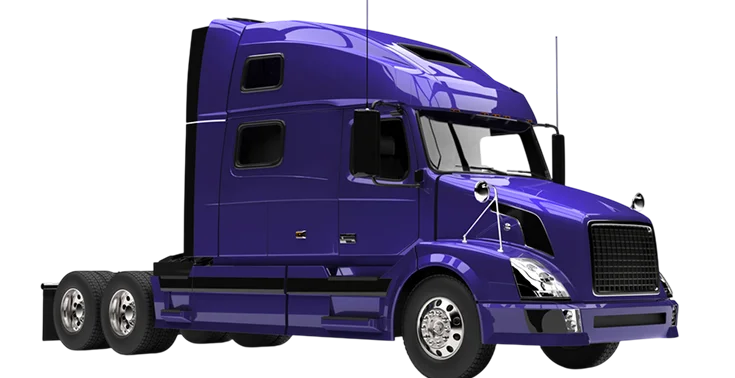
Power dispatch is influenced by the type of trailer being hauled. Each
trailer category changes how loads are planned and executed.


Where Power Dispatch Performs Best
Power-only trucking delivers strong results in specific operational environments:

Dedicated Trailer Programs
Consistent trailer availability keeps trucks moving without delays. This increases load frequency and reduces idle time.

Drop and Hook Networks
Preloaded trailers allow quick swaps and faster turnaround. This reduces loading time and improves efficiency.

Trailer Repositioning
Power units move trailers between locations efficiently. This helps balance fleets and maintain operations.

Short Haul Freight
Flexible deployment supports short and unpredictable loads. This improves response time and route efficiency.
Revenue Structure in Power Dispatch
Profitability in power-only trucking depends on multiple factors beyond
the base rate. Distance, lane demand, equipment type, and accessorials
all influence total revenue and overall performance.

Distance affects stability, long hauls consistent and short hauls higher per-mile
Lane demand varies by region and season
Trailer type impacts earning potential
Accessorials add extra revenue value
Negotiation improves overall profitability
Affordable but Effecient Truck Dispatching Solution


Broker Verification & Payment Safety
Broker selection is handled as a risk control process to protect
revenue and cash flow. Every load is backed by verified,
reliable partners to avoid payment issues.

Credit and Payment Checks
Brokers are checked for payment reliability.

Authority and Compliance Validation
Broker authority is verified before booking.

Risk & Cash Flow Protection
Prevents delays and protects cash flow.
Lane Planning & Coverage Strategy
Efficient dispatch uses structured lanes to reduce empty miles,
improve continuity, and stabilize revenue.
Consistent Freight Lane Selection
- Target high-demand regions with regular freight flow
- Avoid low-volume or unpredictable markets
- Build repeatable lane patterns for operational stability
- Maintain continuity between pickup and delivery zones
Empty Mile Reduction & Route Efficiency
- Pre-plan return loads to minimize deadhead miles
- Align loads with structured corridors instead of random dispatching
- Optimize route sequencing for time and fuel efficiency
- Reduce idle time between deliveries through continuous load planning
Compliance & Operational Discipline
in Power Dispatch
Dispatch operations follow strict regulatory standards to ensure compliance,
prevent penalties, and maintain uninterrupted operations.

Regulatory Compliance Integration
Compliance is embedded into daily dispatch workflows rather than handled separately. This ensures every load, document, and movement aligns with FMCSA requirements.

Documentation & Record Accuracy
All paperwork, including BOL, rate confirmations, and logs, is maintained with precision. Accurate records reduce claim disputes, audits, and payment delays.

Hours of Service (HOS) Management
Driver schedules are planned according to legal HOS limits to prevent violations. This protects safety, avoids fines, and ensures operational continuity.
Who Benefits from Power
Dispatch Services
Power dispatch supports different carrier types with flexible,
cost-efficient, and scalable freight solutions.

Owner-Operators
Reduce trailer costs and gain flexible freight options.
- Lower equipment and maintenance costs
- Freedom to choose preferred loads and lanes
- Improved profit margins through efficient dispatch

Small Fleets
Scale operations without adding trailer assets.
- Expand load capacity without heavy capital investment
- Improve fleet utilization across multiple lanes
- Maintain steady revenue with structured dispatch support

New & Established Carriers
Enter the market or improve route performance.
- New authorities gain structured entry and load access
- Established carriers improve underperforming lanes
- Consistent freight flow with optimized route planning
Getting Started (Onboarding Process)
Get started quickly by submitting your MC, insurance, and preferences—most carriers begin hauling within 24–48 hours.
Frequently Asked Questions
What does a truck dispatching service include?
It includes load booking, rate negotiation, route planning, and broker coordination for carriers.
How does MNA Transport increase revenue per mile (RPM)?
Lorem Ipsum is simply dummy text of the printing and typesetting industry. Lorem Ipsum has been the industry's standard dummy text ever since the 1500s, when an unknown printer took a galley of type and scrambled it to make a type specimen book.
Do I need dispatch services if I already use load boards?
Lorem Ipsum is simply dummy text of the printing and typesetting industry. Lorem Ipsum has been the industry's standard dummy text ever since the 1500s, when an unknown printer took a galley of type and scrambled it to make a type specimen book.
How does factoring help trucking businesses?
Lorem Ipsum is simply dummy text of the printing and typesetting industry. Lorem Ipsum has been the industry's standard dummy text ever since the 1500s, when an unknown printer took a galley of type and scrambled it to make a type specimen book.
What is included in DOT compliance services?
Lorem Ipsum is simply dummy text of the printing and typesetting industry. Lorem Ipsum has been the industry's standard dummy text ever since the 1500s, when an unknown printer took a galley of type and scrambled it to make a type specimen book.
Can new trucking businesses use MNA Transport services?
Lorem Ipsum is simply dummy text of the printing and typesetting industry. Lorem Ipsum has been the industry's standard dummy text ever since the 1500s, when an unknown printer took a galley of type and scrambled it to make a type specimen book.