 +1 (216) 400-5753
 dispatch@mnatransport.com
 521 Valcour Rd, Catonsville, MD 21228, US

Step Deck Dispatch Services for High Value Freight Operations
Step deck trucking creates access to freight that standard trailers cannot handle. The opportunity is higher, but so is the complexity. Load matching, height compliance, route restrictions, and rate optimization all influence profitability.
A structured dispatch system aligns these variables into a predictable workflow. Instead of reacting to the market, your operation moves with a defined strategy focused on revenue per mile, lane consistency, and compliance control.
What Does Step Deck Dispatch Actually Control?
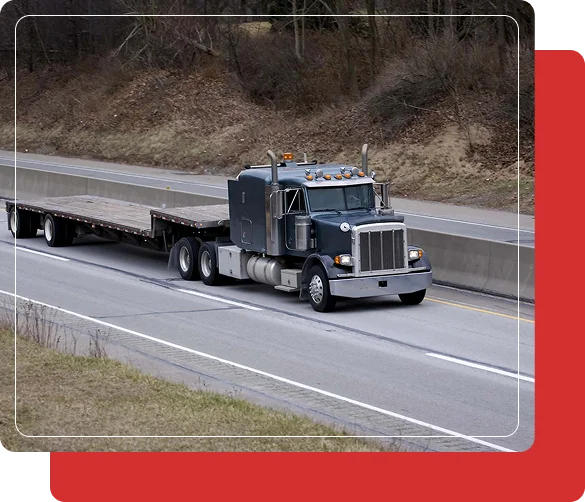
Step deck dispatch is not limited to booking loads. It is a coordination layer that connects freight selection, pricing logic, compliance, and execution.
Core control areas:
- Load sourcing based on equipment compatibility
- Rate negotiation aligned with lane demand
- Route planning with height and weight constraints
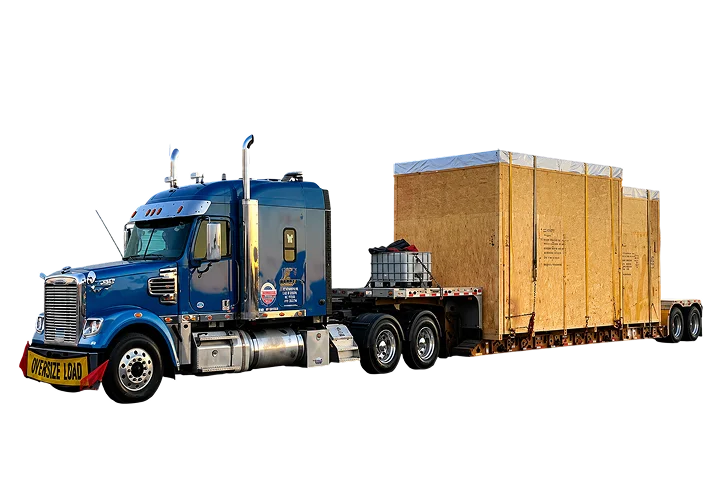
- Permit coordination for over-dimensional freight
- Broker and shipper communication
This transforms dispatch from a basic service into an operational system.
Why Step Deck Trailers Require
Specialized Dispatching
Step deck trailers operate in a different freight category than dry vans
or standard flatbeds.
Operational attributes:
- Lower deck height (~3.5 ft) enables taller freight transport
- Increased exposure to over-height and over-dimensional loads
- Higher dependency on route planning accuracy
- Greater involvement in compliance and permits
Freight categories typically handled:
- Construction machinery (skid steers, forklifts)
- Industrial units (compressors, generators)
- Steel structures and fabricated components
- Agricultural equipment
- Palletized oversized freight
Each category introduces different securement, weight distribution, and route considerations.
Step Deck vs Flatbed vs RGN
Operational Impact
Trailer selection directly affects dispatch complexity and revenue structure.
| Trailer Type | Deck Structure | Freight Type | Dispatch Complexity | Revenue Potential |
|---|---|---|---|---|
| Step Deck | Two-level deck | Tall freight, machinery | Medium | High |
| Flatbed | Standard deck | General freight | Low | Medium |
| RGN | Detachable front | Heavy oversized equipmen | High | Very High |
Where Most Step Deck
Operations Fail
Where Most Step Deck Operations Fail


Weekly Profit Plan for
Owner-Operator
We are giving you a free customize profit plan for your fleet
Get Weekly Plan
Dispatch Logic Behind Profitable Step Deck Operations
A high-performing dispatch system is built on decision layers, not random load booking.

Load Qualification Layer
Every load is filtered based on:
- Rate per mile
- Distance efficiency
- Broker reliability
- Equipment compatibility

Rate Positioning Layer
Rates are negotiated using:
- Lane demand data
- Seasonal freight trends
- Fuel cost impact
- Load urgency

Route Intelligence Layer
Routes are planned considering:
- Bridge clearance limits
- State regulations
- Road restrictions
- Delivery timelines

Compliance Layer
Includes:
- Oversize permits
- FMCSA cargo securement standards
- Documentation accuracy
This layered approach creates consistency in performance.
Step Deck Dispatching Fee Chart
| Truck Type | Rate Per Mile | Weekly Gross | Dispatch Fee |
|---|---|---|---|
| Step Deck | $3.00+ (Min) | - | 6% - 4% |
Advanced Step Deck Dispatch
Strategies
High-revenue carriers do not rely on single-load thinking.
They optimize entire trips.

Partial Load Optimization
Combining compatible freight increases trailer utilization and total trip revenue.

Multi-Stop Structuring
Planning multiple pickups or deliveries increases earning potential per run.

Lane Stabilization
Focusing on repeat lanes reduces downtime and improves predictability.

Load Stacking Strategy
Sequential load planning reduces gaps between deliveries.
What a Full Dispatch System
Handles for You
A complete dispatch solution manages all operational pressure points:
| Function | Outcome | Impact |
|---|---|---|
| Load booking | Consistent freight flow | Stable revenue |
| Broker communication | Strong negotiation position | Higher rates |
| Permit coordination | Compliance assurance | Reduced fines |
| Documentation handling | Audit readiness | Fewer errors |
| Invoicing support | Faster payment cycles | Improved cash flow |
| Route optimization | Reduced fuel cost & better RPM | Higher profitability |
When Your Current Dispatch Setup
Is Costing You Money
Indicators of inefficiency:

Frequent idle days between loads

Declining rate per mile

High fuel cost due to deadhead

Repeated compliance issues

Poor broker response or delayed payments
Affordable but Effecient Truck Dispatching Solution


How a Structured Step Deck Dispatch
Process Works
1
Carrier
Onboarding
MC authority, insurance, and operational preferences are defined.
2
Dedicated Dispatcher Alignment
A single dispatcher manages your lanes, communication, and load flow.
3
Load Filtering & Matching
Loads are selected based on profitability and compatibility.
4
Negotiation
& Booking
Rates are secured and confirmed with full documentation.
5
Execution
Monitoring
Routes, compliance, and delivery timelines are tracked.
6
Continuous
Optimization
Performance is adjusted based on revenue, lanes, and efficiency.
Who Benefits Most from Step Deck
Dispatch Services?

Owner Operators
Maintain independence while eliminating administrative workload.
Small Fleets
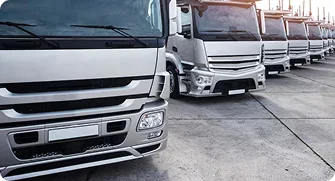
Keep multiple trucks consistently loaded with coordinated dispatch.
Oversized Freight Carriers
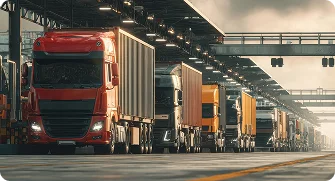
Manage complex loads with structured compliance and routing.

New Authorities
Build steady load flow and avoid early-stage dispatch and compliance mistakes.
What Makes a High-Performance Dispatch System Different
A basic dispatcher books loads. A structured dispatch system builds operational control.
Key differentiators:
- Data-driven load selection
- Consistent RPM improvement
- Broker network leverage
- Compliance-first execution
- Predictable freight cycles
This shift moves carriers from reactive to strategic operations.
Frequently Asked Questions
What does a truck dispatching service include?
It includes load booking, rate negotiation, route planning, and broker coordination for carriers.
How does MNA Transport increase revenue per mile (RPM)?
Lorem Ipsum is simply dummy text of the printing and typesetting industry. Lorem Ipsum has been the industry's standard dummy text ever since the 1500s, when an unknown printer took a galley of type and scrambled it to make a type specimen book.
Do I need dispatch services if I already use load boards?
Lorem Ipsum is simply dummy text of the printing and typesetting industry. Lorem Ipsum has been the industry's standard dummy text ever since the 1500s, when an unknown printer took a galley of type and scrambled it to make a type specimen book.
How does factoring help trucking businesses?
Lorem Ipsum is simply dummy text of the printing and typesetting industry. Lorem Ipsum has been the industry's standard dummy text ever since the 1500s, when an unknown printer took a galley of type and scrambled it to make a type specimen book.
What is included in DOT compliance services?
Lorem Ipsum is simply dummy text of the printing and typesetting industry. Lorem Ipsum has been the industry's standard dummy text ever since the 1500s, when an unknown printer took a galley of type and scrambled it to make a type specimen book.
Can new trucking businesses use MNA Transport services?
Lorem Ipsum is simply dummy text of the printing and typesetting industry. Lorem Ipsum has been the industry's standard dummy text ever since the 1500s, when an unknown printer took a galley of type and scrambled it to make a type specimen book.