 +1 (216) 400-5753
 dispatch@mnatransport.com
 521 Valcour Rd, Catonsville, MD 21228, US

Structured Load Management, Rate Optimization, and Urban Freight Control
Box truck operations depend on precision, not volume. The difference between profit and struggle is not how many loads you see—it’s how those loads are selected, priced, and executed.
A dispatch system transforms scattered load searching into a controlled logistics workflow that improves revenue consistency, reduces empty miles, and stabilizes weekly performance.
What Is Box Truck Dispatch
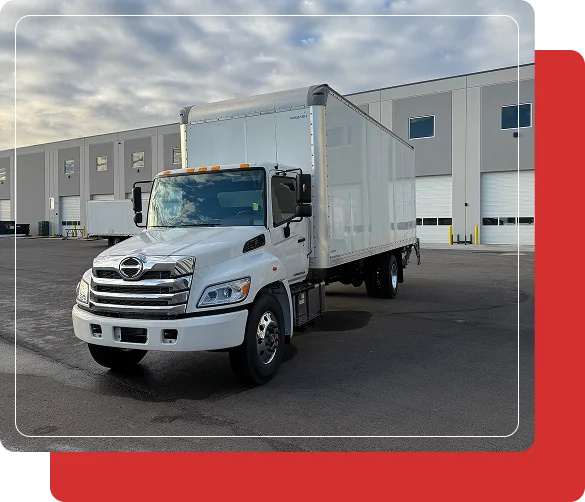
A box truck dispatch service is a backend logistics function where a dispatcher handles load acquisition, broker communication, rate negotiation, and execution planning.
Instead of drivers spending hours searching and calling brokers, dispatch centralizes decisions into a structured process.
In real operations, this means
- Your truck runs on planned lanes
- Your loads are pre-filtered
- Your rates are negotiated before acceptance
The focus shifts from “finding work” → to optimizing work
How Dispatch Works
in Real Time
A dispatch cycle is not random—it follows a predictable operational rhythm.
Load scanning through boards and broker networks
Filtering based on truck specs (26ft, liftgate, GVWR)
Rate negotiation based on lane demand
Booking and confirmation handling
Route planning and dispatch instructions
Delivery tracking and communication
Invoice submission and payment follow-up
Get a Load in 30-Minutes
Maximize your revenue per mile with strategically selected loads, not random bookings. MNA Transport focuses on high-rate freight, smart lane planning, and strong broker negotiation to secure loads that actually increase your weekly earnings. From rate confirmation to paperwork, everything is handled for you—so you haul smarter, not harder.
Get a load
Freight Types for
Box Trucks
Box trucks operate in a flexible mid-capacity freight segment.
Short explanation: they are not full truckload assets, and not small vans
either—they fill the gap where flexibility matters.
| Type | Description |
|---|---|
| LTL Freight | Shared loads with multiple stops |
| Retail Distribution | Store deliveries and restocking |
| Last-Mile | Final delivery to customer or business |
| Urban Freight | Time-sensitive city deliveries |
| Liftgate Loads | Non-dock locations requiring equipment |
Where Most Box Truck Operators
Lose Money
Many operators think the issue is “not enough loads”—but that’s rarely true.
The actual problems are operational:


Box Truck Dispatching Fee Chart
| Truck Type | Rate Per Mile | Weekly Gross | Dispatch Fee |
|---|---|---|---|
| Box Truck | $1.50 _ $2.20 | $5,500 - $7,500 | 8% - 6% |
Load Sourcing Strategy
Load boards give access. They do not guarantee profitability.
Strong dispatch systems combine:
- Load boards (volume)
- Broker relationships (consistency)
- Direct shippers (stability)
Most high-paying freight never stays long on public boards.
Lane Planning & Consistency Model
Instead of chasing loads across random cities, structured
dispatch builds repeatable freight corridors.

Example strategy
- Operate within 300–600 mile regional loops
- Stay in warehouse-dense zones
- Align outbound + return loads

This reduces
- deadhead miles
- fuel waste
- downtime

And improves
- weekly predictability
- driver efficiency
- Align outbound + return loads
Weekly Profit Plan for
Owner-Operator
We are giving you a free customize profit plan for your fleet
Get Weekly Plan
Rate Control: Where Profit
Is Actually Made
This is the most misunderstood part of dispatch.
A dispatcher doesn’t just “book loads”—they control pricing conditions.

Rate per mile vs cost per mile

Lane demand vs truck availability

Urgency (same-day / scheduled freight)

Broker reliability
A small rate difference per mile, repeated weekly, creates a major revenue gap.
Equipment Matters More
Than Most Think
Not every load fits every box truck.
Matches freight with:
- 26ft truck dimensions
- Under 26,000 lbs GVWR (non-CDL advantage)
- Liftgate vs dock delivery
- Urban vs highway routes
Ignoring this leads to:
- rejected loads
- delays
- lost time
- Temperature-sensitive retail shipments
Good dispatch = equipment-aware decision making
Dispatch vs Self-Dispatch
Short comparison without over-explaining:
| Factor | Self Dispatch | With Dispatch |
|---|---|---|
| Time spent | High | Low |
| Load quality | Random | Filtered |
| Rates | Fixed/posted | Negotiated |
| Planning | Reactive | Structured |
| Revenue | Inconsistent | Stabilized |
Our Box Truck Dispatch
Approach
We don’t operate on “book anything available” logic.
Our system is built around performance control.
What We Handle

Load sourcing based on truck compatibility
Rate negotiation using lane data
Route planning for urban and regional freight
Backhaul coordination to reduce empty miles
Documentation (rate confirmations, POD, invoices)
Who This Works Best For
Short clarity section:

Owner Operators
Independent drivers managing one truck who need consistent loads and higher RPM.

Small Fleets
Fleet owners requiring steady freight flow and balanced load distribution across trucks.

Last-Mile Carriers
Carriers focused on city-based deliveries with tight schedules and frequent stops.

Non-CDL Operators
Operators running under 26,000 GVWR handling local and regional freight without CDL requirements.

Getting Started with BoxTruck Dispatch
(Operational Setup Flow)
Box truck dispatch setup focuses on immediate operational readiness. No delays, no layered
onboarding—just a structured system that moves from activation to revenue generation with defined controls.
Setup Process
(Execution Flow)
- Activate valid MC authority for load eligibility
- Verify insurance coverage aligned with broker requirements
- Complete carrier packet and broker onboarding
- Define lanes, load types, and rate floors
- Initiate dispatch with active load sourcing
Dispatch as a System
(Performance Layer)
- Select freight based on profitability and compatibility
- Negotiate rates using lane data and market benchmarks
- Run optimized lanes to reduce deadhead and increase RPM
- Maintain consistency through structured dispatch workflows
- Scale operations by treating dispatch as a controlled system, not a task
Frequently Asked Questions
What does a truck dispatching service include?
It includes load booking, rate negotiation, route planning, and broker coordination for carriers.
How does MNA Transport increase revenue per mile (RPM)?
Lorem Ipsum is simply dummy text of the printing and typesetting industry. Lorem Ipsum has been the industry's standard dummy text ever since the 1500s, when an unknown printer took a galley of type and scrambled it to make a type specimen book.
Do I need dispatch services if I already use load boards?
Lorem Ipsum is simply dummy text of the printing and typesetting industry. Lorem Ipsum has been the industry's standard dummy text ever since the 1500s, when an unknown printer took a galley of type and scrambled it to make a type specimen book.
How does factoring help trucking businesses?
Lorem Ipsum is simply dummy text of the printing and typesetting industry. Lorem Ipsum has been the industry's standard dummy text ever since the 1500s, when an unknown printer took a galley of type and scrambled it to make a type specimen book.
What is included in DOT compliance services?
Lorem Ipsum is simply dummy text of the printing and typesetting industry. Lorem Ipsum has been the industry's standard dummy text ever since the 1500s, when an unknown printer took a galley of type and scrambled it to make a type specimen book.
Can new trucking businesses use MNA Transport services?
Lorem Ipsum is simply dummy text of the printing and typesetting industry. Lorem Ipsum has been the industry's standard dummy text ever since the 1500s, when an unknown printer took a galley of type and scrambled it to make a type specimen book.